Huayopata
Huayopata
Between the Andes and the Amazon, Huayopata cultivates Peruvian tea and preserves Inca vestiges dotting the Sacred Valley route.
Nestled between the Amazon basin and the Andean mountains, Huayopata is a charming destination along the route to the Sacred Valley. Rural tourism sets the tone here.
An Escape to Huayopata
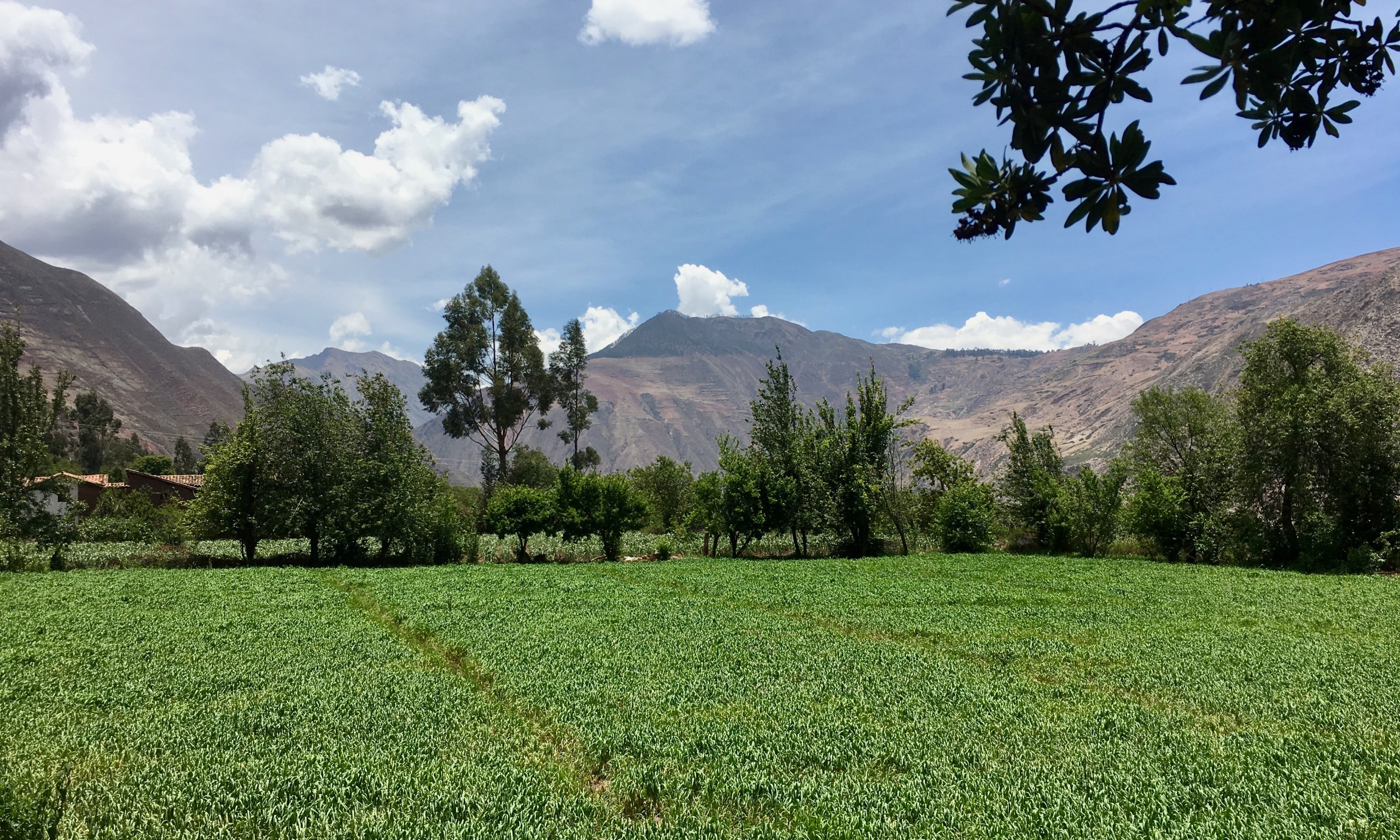
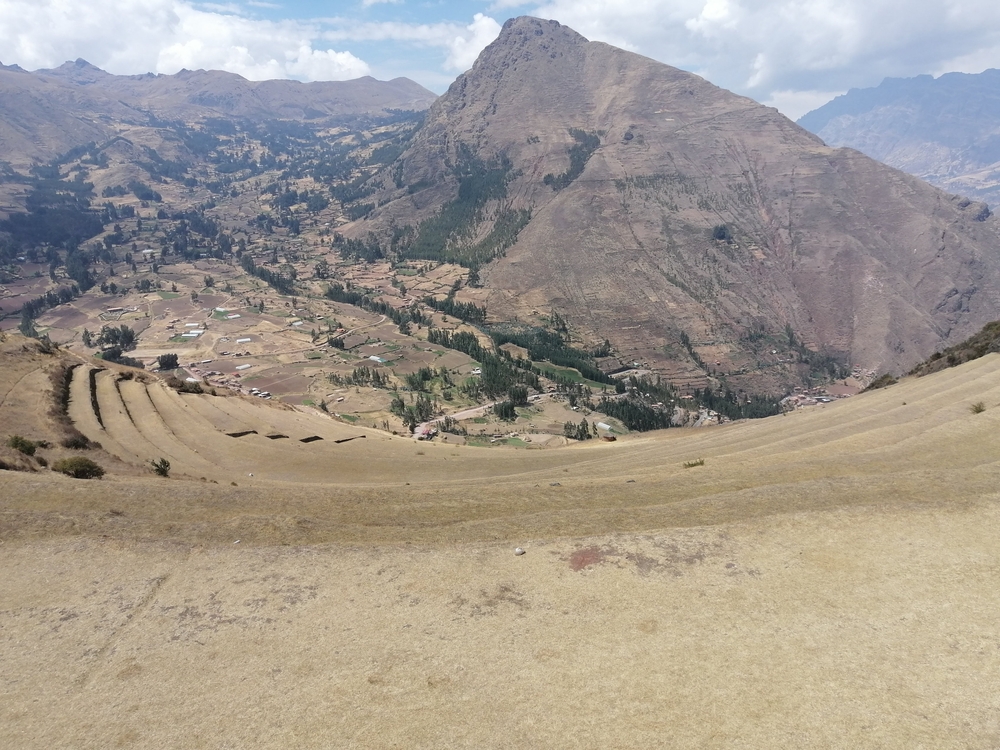
Huayopata lies hidden in a valley of mountains in southern Pérou. The region is lush and verdant, watered by the Lucumayo river before it tumbles dramatically into the Urubamba. This is still Andean country, with its vicuñas and shepherds, yet the mountain chains are no longer impassable, the cold less severe, and pastures alternate with trees and tropical fruits. Unlike the central towns of Cusco, where nature and adventure tourism reign, the Huayopata district masterfully combines mountaineering and agritourism. Snow-capped peaks encircle the valley, including Veronica, the most celebrated among them. You can visit a coffee or tea factory, discover the cacao transformation process before ending with a tasting. And of course, numerous archaeological treasures punctuate the circuit.
A Bit of History
The Huayopata district was officially established on January 2, 1957. Its founder was none other than dictator Ramón Castilla, who chose Huyro as the capital. Until 1903, Huayopata fell under the province of Urubamba, before passing under the jurisdiction of La Convención province.
When one speaks of Huyro, the image of tea plantations stretching to the horizon comes immediately to mind. Tea arrived in Pérou in the early 1950s. The first cultivation experiments were conducted in Huyro. The plant found exceptionally favorable conditions for development: rolling and challenging terrain, an average altitude of 1,524 meters, and generous rainfall. The year 1971 remains forever etched in the annals: private homes were demolished with the mayor's approval to grant cultivable land to the Huyro cooperative. As one might expect, the measure sparked considerable legal disputes. Huayopata became Pérou's principal tea supplier. By virtue of a 1960 law, Huayopata lost its status as capital, which was transferred to Ipal.
Today
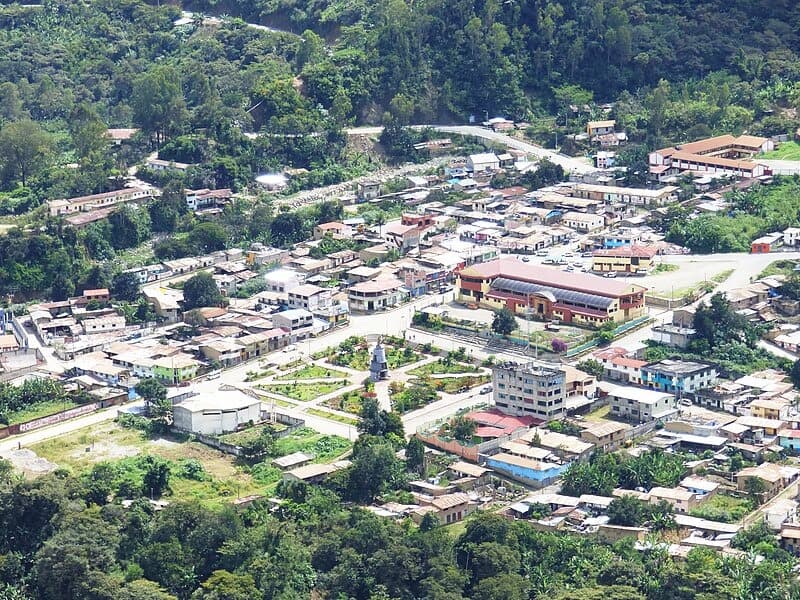
The rural and mountainous territory of Huayopata ranks among Cusco's must-see destinations. The population of Huayopata is estimated at approximately 4,819 inhabitants. Huyro, the district's main town, concentrates more than a third of the population. It remains renowned today for tea production. Whether you plan to visit Inca ruins, bathe in a hot spring, or pursue a sport like via ferrata, this destination caters to all desires.
What to See and Visit
What better than a stop in Huayopata before heading to the famous Machu Picchu site! Given the significant number of sites and monuments to discover, a multi-day stay is preferable to a quick pass-through. Stay for a day to explore the town and surrounding attractions.
Archaeological Heritage
The Huamanmarca Archaeological Complex
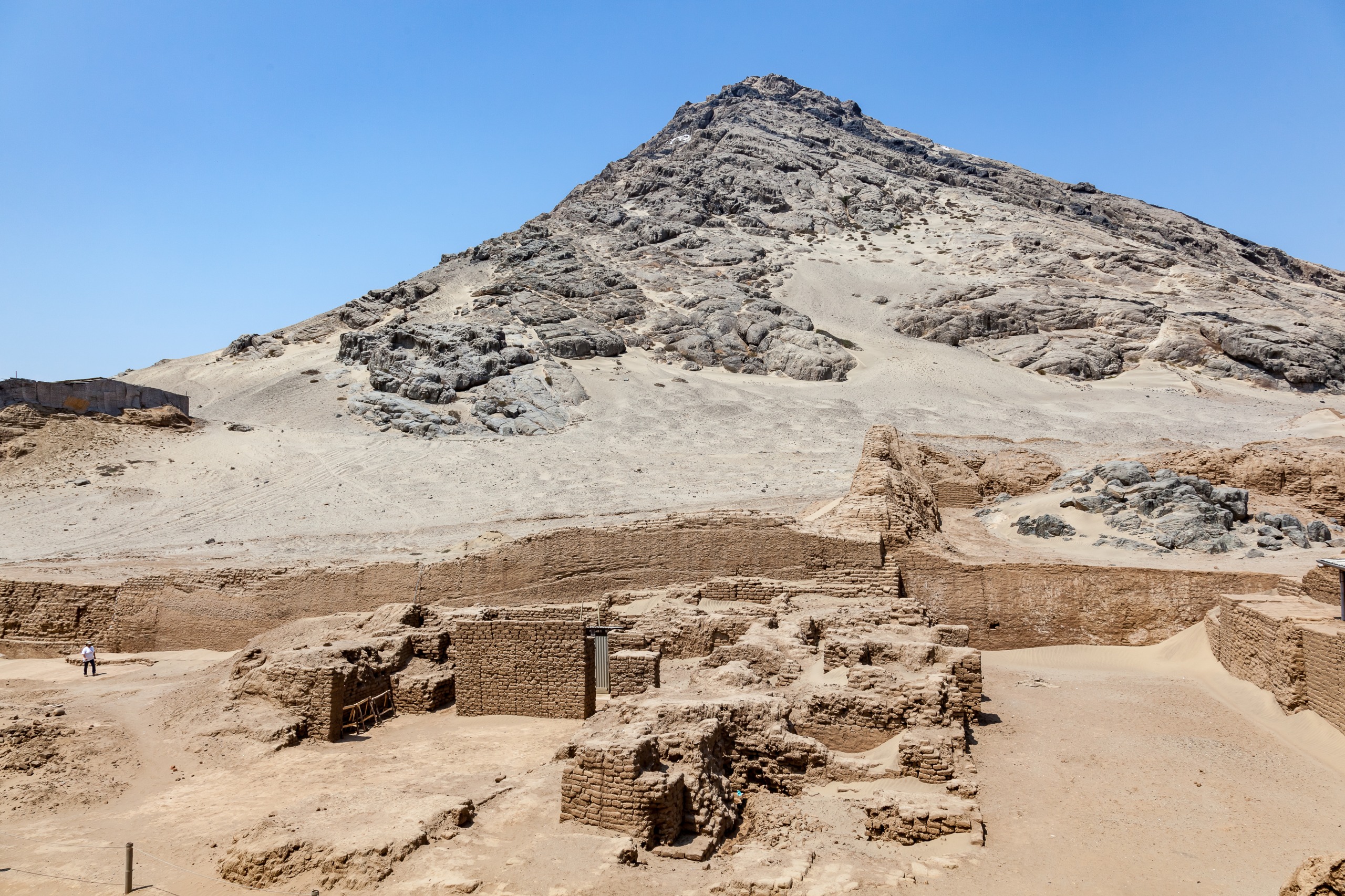
About ten kilometers south of Huyro stands the Huamanmarca archaeological complex. Its name comes from the combination of two Quechua words, roughly meaning "lands of the falcon." The honor of its discovery in 1961 belongs to María Rostorowski. In her book, the researcher reveals that this magnificent palace served as a residence for Tupac Yupanqui, the second Inca emperor, who ruled between 1471 and 1493. The complex houses ushnu—pyramidal structures used for religious purposes. The ruins of Huamanmarca are the most significant in the region. Not to be missed, especially after a climbing expedition to the La Veronica pass.
The Kuleap Fortress
Discovered in 1843, this superb ruin stands less than 30 kilometers from Huyro. It dates back further than the Inca empire. Regarding the fortress's original purpose, archaeologists are divided: some argue Kuleap served a defensive function, while others see it as a food storage facility with a temple dedicated to the god of agriculture. Who is right? Considering its location on Cerro La Baretta hill, one might lean toward the first hypothesis. Yet this is contradicted by the decorative geometric friezes. Deities in the form of serpents and felines are depicted alongside anthropomorphic figures. In any case, the construction date—estimated between 1140 and 1450 AD—is agreed upon. Approximately 420 buildings are recorded within the fortress. The dwellings are circular in plan. The presence of a lower town and an upper town betrays a rigidly hierarchical society. Don't miss this heritage of the Chachapoya culture.
Inka Tambo
The Inca tambo is an architectural gem. Its paving resembles Chachapoya construction, but the towers feature polished and careful finishing. To whet your appetite, the ruin stands at over 2,127 meters elevation. An unobstructed view of the Andean landscape!
Natural Heritage
The Abra Malaga Conservation Area
For a memorable ecotourism excursion, head to Abra Malaga, a private conservation area founded in 2007. The last queñoa forests thrive across more than 1,050 hectares. For your information, it's the only indigenous tree species still growing at the snow-capped peaks of the Andes. Fragile and endangered species are found here, such as the Andean condor, the royal cinclodes, or the yellowish ovenbird. Bird lovers will be delighted!
Bear Fall
Near the village of Sicre, Bear Fall is a much-frequented attraction. Beyond the experience of sheer height—the cascade drops 75 meters—visitors will adore the company of spectacled bears.
Illapani Waterfall
For those seeking adventure, it's possible to continue toward the Illapani waterfall, located in neighboring Echarate. Beautiful wild vegetation.
Cultural Festivals
Faithful to Spanish tradition, the inhabitants of Huayopata are devoted body and soul to the Catholic faith. Numerous celebrations ritualize their devotion: the Feast of the Holy Cross, celebrated on May 3rd; the Feast of the Virgin of Carmen, taking place on July 9th; the Assumption. Each year, grand Inca ceremonies are also held at the Huamanmarca archaeological site.
When to Visit
The best time to visit Huayopata is between April and October. Just after the rainy season ends, a drier climate favors outdoor activities. Plan for warm clothing for the evenings nonetheless. Most visitors come during the Festival of the Sun or other folklore festivals.
Huayopata is easy to locate because it serves as the gateway to La Convención. Some 17 kilometers of road separate the station from the Machu Picchu sanctuary. It's 35 kilometers from Santa Teresa. Between combis, taxis, and shared minibuses, you'll surely find the transportation solution that suits you.
You Will Love…
Watching the Andean condor soar in flight;
Exploring the Andean biodiversity in the Abra Malaga conservation area;
Climbing the snow-capped peaks of Urupampa;
Taking a refreshing break at the waterfalls;
Discovering the marvels of Inca heritage;
Savoring excellent local specialties.
Want to discover this destination?
Our local advisors design your tailor-made trip.